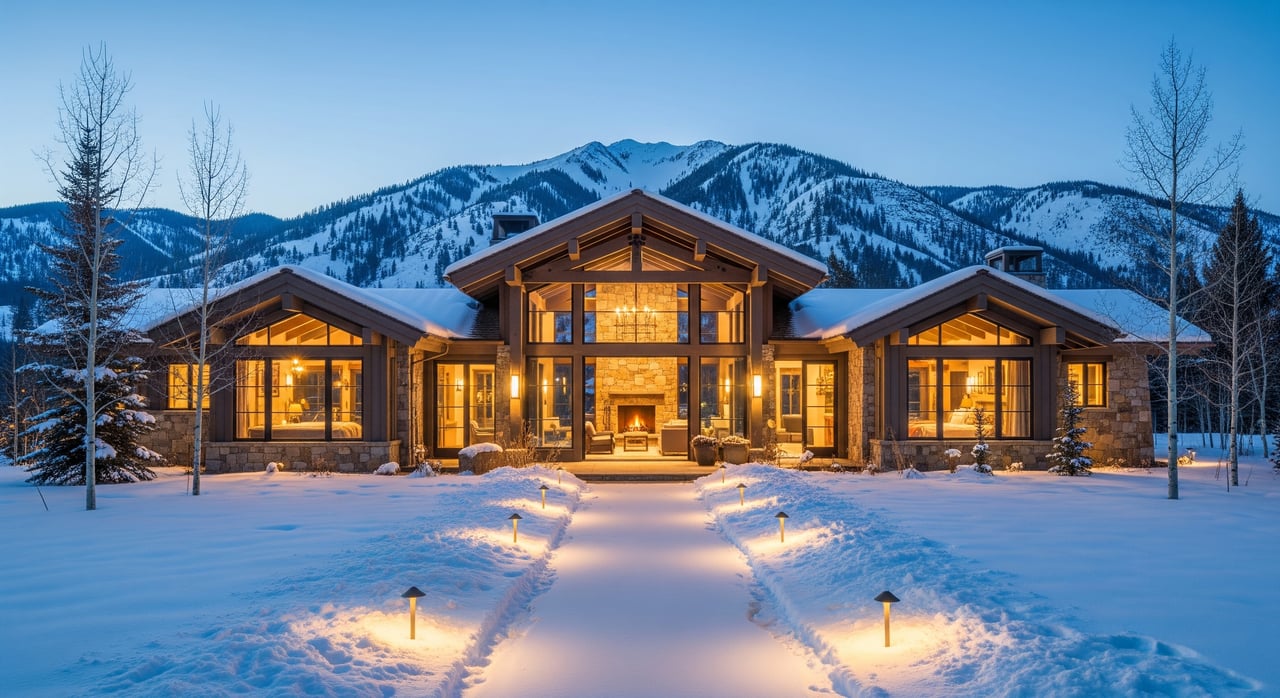
Thinking about selling in Ketchum but not sure when to list? You are not alone. In a true resort market like Sun Valley and Ketchum, buyer demand rises twice each year, not once in spring like many other places. In this guide, you will see how winter and summer shape buyer traffic, what that means for pricing and prep, and how to time your listing with a 60 to 120 day runway. Let’s dive in.
Ketchum’s two peak seasons
Ketchum’s market follows the rhythms of the mountain. Winter ski season and summer recreation season create two distinct demand waves. Your timing should match the buyers you want to reach and the way your home shows best.
Winter ski-season demand
Winter visitors arrive for skiing and holiday weeks. Many are second-home buyers with limited time in town and a strong appetite for turnkey properties near recreation. Showings tend to cluster around weekends and holidays, and motivated buyers often make quick decisions on well-presented homes. Interior comfort and practical winter features matter most: think fireplaces, mudrooms, ski storage, and dependable heating.
Summer recreation demand
Summer brings longer stays and relaxed touring. Buyers come for hiking, biking, festivals, and warm-weather living. They want to evaluate outdoor spaces without snow on the ground, and they pay attention to views, decks, landscaping, and how indoor spaces flow to the outside. If your home shines in green season, summer can be your moment.
Shoulder seasons and off-peak
Spring and fall have fewer visitors but can still be productive. Local and regional buyers are more active, and inventory can be lower. If you list in these windows, plan for strong visual assets and targeted outreach to non-local buyers who are planning future trips. Off-peak can work, but pricing and marketing must be aligned.
Pick your target window
A simple rule helps you set the pace: aim to have your home photo-ready and market-ready about 30 to 45 days before your chosen peak. That gives time for pre-market outreach and ensures you are live when buyers arrive.
Timeline to hit winter demand
If you want to be active for holiday and ski traffic:
- 120-day runway: Begin in August. Tackle repairs and decluttering, then book staging in September. Complete photography and marketing in October and be show-ready by mid-November.
- 60-day runway: Start by mid-September. Handle repairs fast, stage and photograph in October, and go live by mid to late November.
Winter specifics: plan for snow removal, safe walkways, and warm lighting. If you photograph in snow, clear the drive and entry so your exterior looks intentional and welcoming. Listing just before major holiday weeks puts you in front of arriving buyers.
Timeline to hit summer demand
If you want to be active by early June:
- 120-day runway: Start in February or March to secure contractors. Refresh landscaping in April, stage and photograph in May, and list in late May.
- 60-day runway: Start in March or April, prioritize easy cosmetics, stage and photograph in May, and go live in early June.
Summer specifics: focus on curb appeal, paint touch-ups, deck and patio repairs, irrigation checks, and outdoor furniture staging. Schedule photos when landscaping is green and views are clear.
Quick prep checklist
Use this as a practical sequence for a 60 to 120 day runway:
- 90 to 120 days out
- Full walk-through and prioritized repair list.
- Optional pre-listing inspection to reduce surprises.
- Contractor bids and scheduling.
- Pricing strategy and comps with your agent.
- 60 to 90 days out
- Complete key repairs and high-impact updates.
- Deep clean, declutter, and depersonalize.
- Staging plan and scheduling.
- Exterior maintenance or winter prep.
- 30 to 45 days out
- Install staging.
- Professional photos, drone, floor plan, and 3D tour.
- Pre-market outreach to buyer-broker networks.
- Confirm showing logistics and weekend coverage.
- First 2 weeks live
- Time launch to capture weekend traffic.
- Maintain snow removal or lawn care.
- Keep showing windows flexible for out-of-town visitors.
Pricing and negotiation by season
Pricing into the season is a strategic choice. You want to be competitive enough to earn attention, but not so aggressive that you sit while buyers favor better-positioned listings.
Peak-season pricing strategy
During winter or summer peaks, buyer traffic is higher. Well-priced, well-presented homes can see faster activity and, at times, multiple offers. Set your list price with recent comps and realistic expectations. Let memorable presentation do the heavy lifting.
Off-peak positioning
If you list in spring or fall, there may be fewer casual showings, and buyers might lean on virtual tours and broker outreach. You can still win by emphasizing quality visuals, clear documentation, and an attractive price. Serious buyers often prefer less competition, and they will act when value is evident.
Showing logistics that win buyers
Your showing plan should align with how buyers travel and tour in a resort town.
Winter access and presentation
Ensure driveways and paths are plowed, salted, and clearly marked. Illuminate entries for late-day tours. Inside, aim for warm, consistent temperatures and clear storage solutions for gear. If your home offers winter-friendly features like heated surfaces or upgraded insulation, highlight them in your materials.
Summer curb appeal and tours
In summer, crisp curb appeal sells. Keep lawns edged, irrigation tuned, and decks clean. Stage outdoor rooms to tell a lifestyle story: dining setup, lounge seating, and unobstructed views. Offer flexible touring windows to accommodate festival weeks and long weekend visits.
Remote buyer-friendly marketing
Out-of-area buyers often pre-screen listings online. Invest in professional photography, a compelling video or 3D walkthrough, clear floor plans, and neighborhood context. Coordinate with buyer’s brokers to build efficient tour days when clients fly in. Virtual showings help keep momentum when travel plans shift.
Short-term rental and closing timing
The short-term rental market is active here, which can affect both buyer interest and scheduling.
Managing bookings and showings
If your property operates as a vacation rental, align showings with booking gaps and consider timing your listing between stays. Be clear on house rules and any local or HOA restrictions that could affect new owners. The goal is to keep revenue intact while giving buyers safe, easy access.
Documentation buyers value
Investor and second-home buyers appreciate clarity. Gather rental histories, maintenance records, HOA documents, and any permits or compliance items ahead of time. A pre-listing inspection can reduce friction and help out-of-area buyers move forward with confidence.
Risks, trade-offs, and how to decide
Every season brings trade-offs. Listing in a peak window usually means more buyers and a faster path to offers, but also more competition and higher presentation standards. Listing off-peak can help you stand out when inventory is thinner, though you may need stronger marketing and a sharper price to draw remote interest. Weather, travel logistics, and broader economic conditions can shape outcomes in any season. Build your plan with up-to-date local comps, a realistic budget for prep, and a clear message aimed at your most likely buyer.
Your next steps
- Decide which buyer you want to target: winter ski-focused or summer lifestyle-focused.
- Work backward 60 to 120 days from your ideal go-live date and set your prep calendar.
- Prioritize the improvements that impact first impressions in your chosen season.
- Prepare documentation early to support buyer confidence and reduce negotiation friction.
If you want a hands-on partner to shape timing, pricing, staging, and remote-buyer strategy, let’s talk. With boutique, concierge service and national exposure through a luxury network, you get local nuance and broad reach in one plan. Connect with Corey on the Go to set your ideal timeline and be first in front of the right buyers.
FAQs
What is the best month to list in Ketchum?
- Ketchum has two strong windows: winter ski season and the summer outdoor season. Choose the season that fits your buyer profile and be market-ready 30 to 45 days before the peak.
How do I time a listing with only 60 days?
- Summer is often simpler to hit in 60 days since exterior touch-ups and landscaping are easier in spring, but winter is doable if you front-load repairs and plan for snow-safe showings and warm, inviting interiors.
Should I get a pre-listing inspection in a resort market?
- A pre-inspection can speed decisions and reduce surprises for out-of-area buyers. Weigh the cost against the possibility that noted items could become negotiation points.
How do short-term rentals affect my sale?
- Strong rental performance can attract investors and second-home buyers. Provide clear documentation of bookings, revenue, and any rental or HOA rules that apply.
What changes if I list off-peak in spring or fall?
- Expect fewer in-person tours but less competition. Lean on high-quality visuals, virtual tours, and targeted outreach, and price strategically to draw serious buyers.