Dreaming of a mountain town where you can grab coffee, browse galleries, and reach world-class skiing in minutes? Downtown Ketchum might be exactly what you have in mind. If you value walkability, an active arts scene, and quick access to Bald Mountain, this pocket of the Wood River Valley delivers. In this guide, you’ll get a clear picture of daily life, housing options, and the tradeoffs to consider so you can decide if living in downtown Ketchum fits your goals. Let’s dive in.
Downtown Ketchum at a glance
Ketchum is a small resort town with a year-round community and a larger seasonal pulse during winter and summer. Downtown is compact, social, and service oriented, with restaurants, shops, galleries, and local businesses clustered within a few blocks. You live at a mountain elevation, so plan for four true seasons and weather that shapes daily routines. The local economy reflects this lifestyle focus, with recreation, hospitality, real estate, and the arts driving demand.
If you want the town’s energy at your doorstep, downtown puts you in the middle of it. The tradeoff is that inventory is limited and pricing reflects a premier resort market. Many owners are second-home buyers, and that mix shapes everything from HOA norms to business hours.
Walkability and daily errands
Downtown Ketchum is highly walkable. Coffee, dining, art galleries, and everyday services sit within a small, easy-to-navigate core. For many residents, daily errands like groceries, banking, or a quick tune at the bike or ski shop are a short stroll. Parking can be tighter during peak seasons, which makes a walk-first mindset even more convenient.
You will find a solid selection of grocery and daily needs in town, though the variety is smaller than a big city. Specialty items may require a plan-ahead approach or a trip to a larger market. For most daily living, you can stay close to home and keep your car parked.
Dining, nightlife, and arts
Ketchum punches above its weight when it comes to food and culture. You’ll find casual spots, elevated menus, and seasonal offerings that shift with visitor patterns. Many restaurants sit within a few blocks of one another, so you can meet friends for dinner then catch a performance or gallery opening without getting back in the car.
The arts scene is active for a town this size. Galleries, public arts organizations, and valley-wide cultural programming keep the calendar lively in both summer and winter. Expect more events during peak seasons and a quieter, slower pace in shoulder months.
Bald Mountain and year-round play
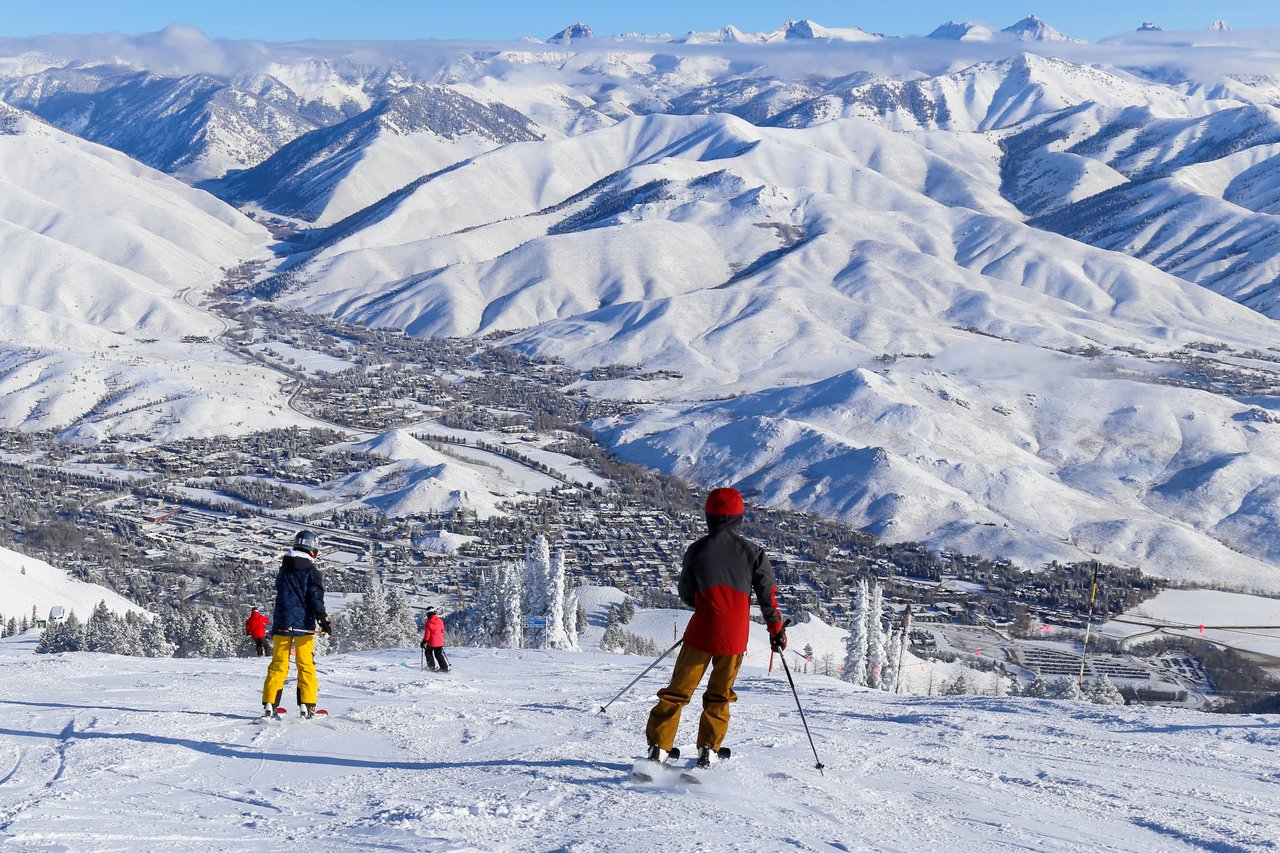
Bald Mountain is the area’s signature winter draw, and it is incredibly accessible from downtown. You can reach the lifts by a short drive or by public shuttle during peak times. In summer and fall, the same slopes and surrounding foothills transform into a network for hiking, trail running, and mountain biking.
Beyond the mountain, the valley supports a full roster of outdoor pursuits. In winter, you can add Nordic trails and snowshoeing to your list. When the snow melts, you have extensive singletrack for biking, river access for fishing and wading, golf in the valley, and local climbing spots. Many trailheads and river access points are only minutes from downtown, which makes quick after-work outings part of normal life.
Home types and daily routines
Housing in and around the core comes in three main flavors. Each shapes how you live day to day.
Condos
Condos are common downtown and fit a lock-and-leave lifestyle. HOAs often handle exterior maintenance, which reduces your to-do list. You can walk to dinner, galleries, and shuttles with ease, though storage for bikes, skis, and seasonal gear may be limited depending on the building. If you want convenience and minimal upkeep, this is a strong match.
Townhomes
Townhomes give you more interior space and a private entry, sometimes with a garage or small outdoor area. You still keep close walkability to shops and restaurants while gaining room for equipment storage and entertaining. For buyers seeking a balance of downtown access and a more residential feel, townhomes check both boxes.
Single-family homes
Single-family homes are less common inside the strict core but appear in adjacent neighborhoods. You gain privacy, outdoor space, and storage for vehicles and gear. The tradeoff is a short drive or longer walk to the heart of downtown activity. If you prefer quiet at home with town nearby, this setup works well.
Downtown vs secluded living
Ketchum and the broader Wood River Valley also offer secluded parcels and rural lots. Those properties typically include more land and space between neighbors. The tradeoffs include longer drives to restaurants and services, more vehicle dependency, and added winter planning for road access and snow removal.
By contrast, downtown living emphasizes convenience and time. You can move through your day mostly on foot and pivot quickly to trails or lifts. If you want privacy and land, consider areas away from the core. If you want to maximize minutes on the mountain or at a favorite café, downtown shines.
Seasonality and what to expect
Ketchum’s rhythm changes with the seasons. Winter brings ski energy and busy streets, while summer draws festivals and mountain activity. Shoulder seasons quiet down, and some businesses adjust hours during those periods. It is part of the charm, but it helps to know how the calendar affects reservations, parking, and service availability.
Mountain weather is a player in daily life. Winters are cold with notable snowfall, so plan for heating costs, snow management, and winter-ready vehicles. Late summer can include wildfire smoke in the region, and properties with more vegetation should follow defensible space practices. Avalanche hazards mainly affect steep slopes outside the downtown core, but lots near steep drainages should still be assessed carefully.
Getting around and parking
Downtown is easy to navigate on foot, and public transit makes recreation access simpler. Valley services typically connect the core to the resort and popular trailheads, and many residents use shuttles during peak seasons. If you drive, most trailheads and resort access points are only a few minutes away.
Parking in the core can be tight during high visitation. It is worth understanding on-street rules, any local permit programs, and the parking arrangements in your building. If you own a condo or townhome, confirm the number of assigned spaces and guest parking policies.
Regional connections and travel
The nearest commercial airport is in Hailey at Friedman Memorial Airport. You can usually reach it in tens of minutes by car depending on conditions. For larger shopping selections, big-box retail, or major medical specialties, many residents make occasional trips to the Treasure Valley. Those drives are measured in hours, so plan for a day trip.
Smart buyer checklist
Use this quick list to line up the details that matter most in a resort market.
- HOA insights: Review fees, reserve funds, pet rules, and rental policies. Ask about any upcoming assessments.
- Storage and parking: Confirm ski, bike, and gear storage options. Verify assigned parking and guest availability.
- Winter logistics: Ask about typical timelines for snow removal and trash pickup. Check roof and siding maintenance plans.
- Internet and utilities: Verify high-speed options if you work remotely. Confirm typical utility costs for your unit type.
- Short-term rentals: Confirm city and county permitting and any occupancy taxes. Budget conservatively if you plan to pursue STR income.
- Risk and resilience: For homes off the core, discuss wildfire defensible space and access during storms. Review any site-specific hazards.
Who downtown Ketchum fits best
If you want to maximize time outside and keep your daily routine simple, downtown Ketchum rewards you with convenience. You can walk to dinner, meet friends at a café, and catch a shuttle to the lifts in minutes. If space, land, and more separation from visitor energy are higher priorities, the valley’s more secluded neighborhoods could be a better match.
As you weigh options, think about how you spend your days. Do you want to swap driving for strolling and get on snow or trail fast, or do you prefer a quiet home base with town nearby? There is no wrong answer. It comes down to the lifestyle you want to protect.
How a local advisor helps
A downtown purchase benefits from local nuance. HOA cultures differ, rental rules vary by building, transit access shifts seasonally, and storage can make or break daily life. You deserve clear, specific guidance on these details and a strategy tailored to your goals.
With concierge-level support, you can preview the right buildings, compare HOA documents, and understand how each option will actually live once the keys are in your hand. If you are buying from out of town, remote tours and streamlined closings make the process smooth.
Ready to explore in person or set up curated alerts for downtown listings? Connect with Corey for local, boutique guidance through Sun Valley’s luxury market. Be the first to see listings that fit how you want to live.
FAQs
How walkable is daily life in downtown Ketchum?
- Most daily errands like coffee, dining, galleries, and some services are within a short walk, and many residents use a walk-first routine to avoid peak-season parking.
How close is downtown Ketchum to Bald Mountain lifts?
- From typical downtown locations, you can reach lifts in minutes by car or by seasonal public shuttle, which makes before-work or mid-day laps realistic.
What is the dining and arts scene like in downtown Ketchum?
- You’ll find casual to upscale dining clustered in the core and an active arts scene with galleries and valley-wide programming, especially in winter and summer.
What housing types dominate downtown Ketchum?
- Condos are common in the core for lock-and-leave living, with townhomes offering more space and single-family homes appearing mostly in adjacent neighborhoods.
What should I know about parking and transit in downtown Ketchum?
- Parking can be limited during peak seasons, so it helps to confirm building parking rules and use public shuttles that connect downtown to the resort and trailheads.
How does seasonality affect living in downtown Ketchum?
- Winters and summers bring more visitors, which raises activity levels, while shoulder seasons are quieter and some businesses reduce hours.
What are key due diligence items for buyers in downtown Ketchum?
- Review HOA fees and rules, storage and parking, winter services, internet options, and any short-term rental permits or taxes that may apply.