If you picture county living as quiet roads, wide-open views, and a little more room to breathe, Blaine County will likely feel familiar right away. But living here is not just about scenery. It is also about weather, access, land rules, and the daily rhythm that comes with a place shaped by public lands, working ranches, and mountain conditions. If you are thinking about the ‘country life’ hopefully this bit of detail will help you understand how it looks here in Blaine County.
Open space shapes daily life
Blaine County is big, open, and lightly populated. The Census estimates 25,517 residents in 2025 spread across 2,637.74 square miles, which works out to about 9.7 people per square mile. The county also says more than 78% of its land is federally managed public land.
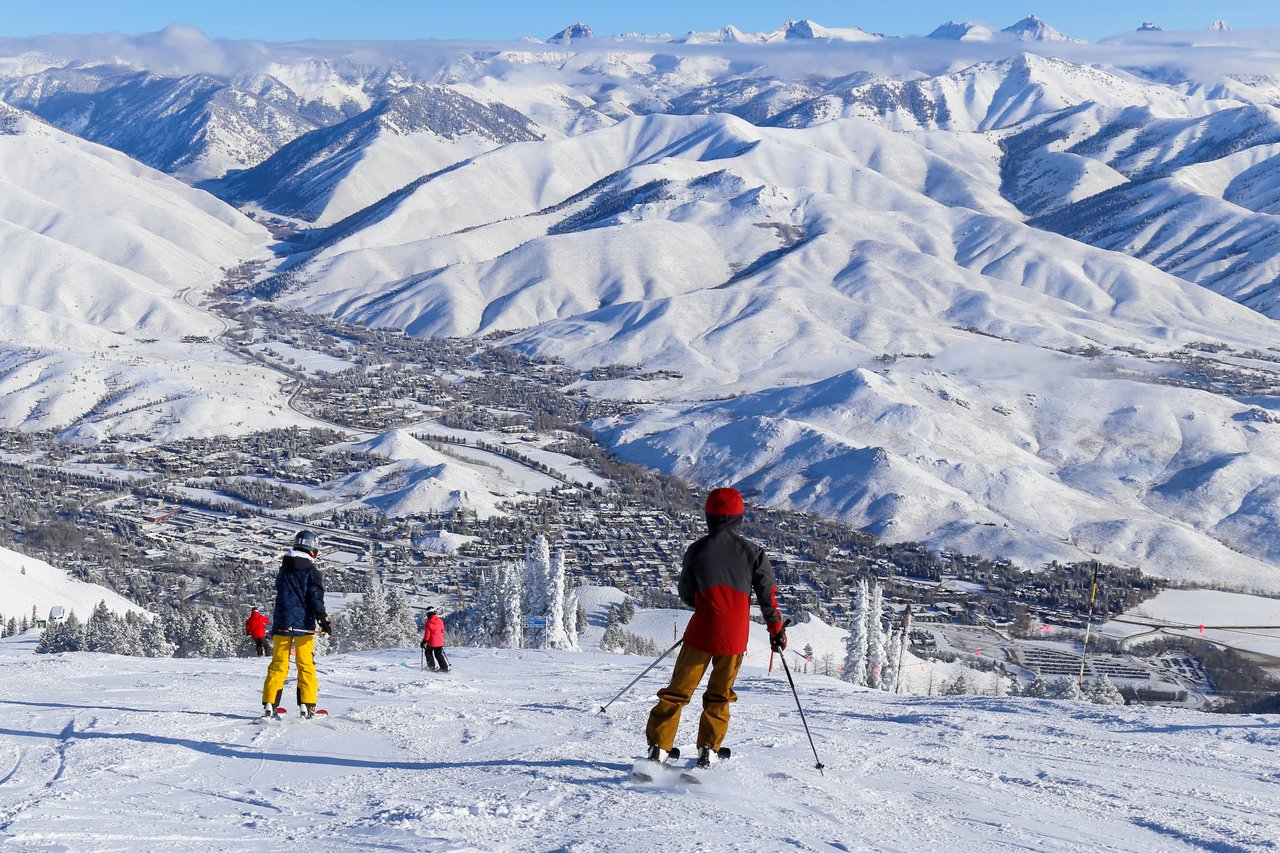
That scale affects how life feels from day to day. Instead of one continuous town pattern, you get long views, more visual breathing room, and a stronger connection to the landscape around you. In many parts of the county, the setting feels defined by mountains, fields, rivers, and open land more than by nearby commercial convenience.
Working land is part of the setting
County priorities in Blaine County focus on preserving working farms and ranches, agricultural lands, wildlife habitat, migration corridors, trail corridors, and public access to water bodies. Local voters created the Land, Water and Wildlife Program to support those goals. That tells you a lot about how the county sees growth and land stewardship.
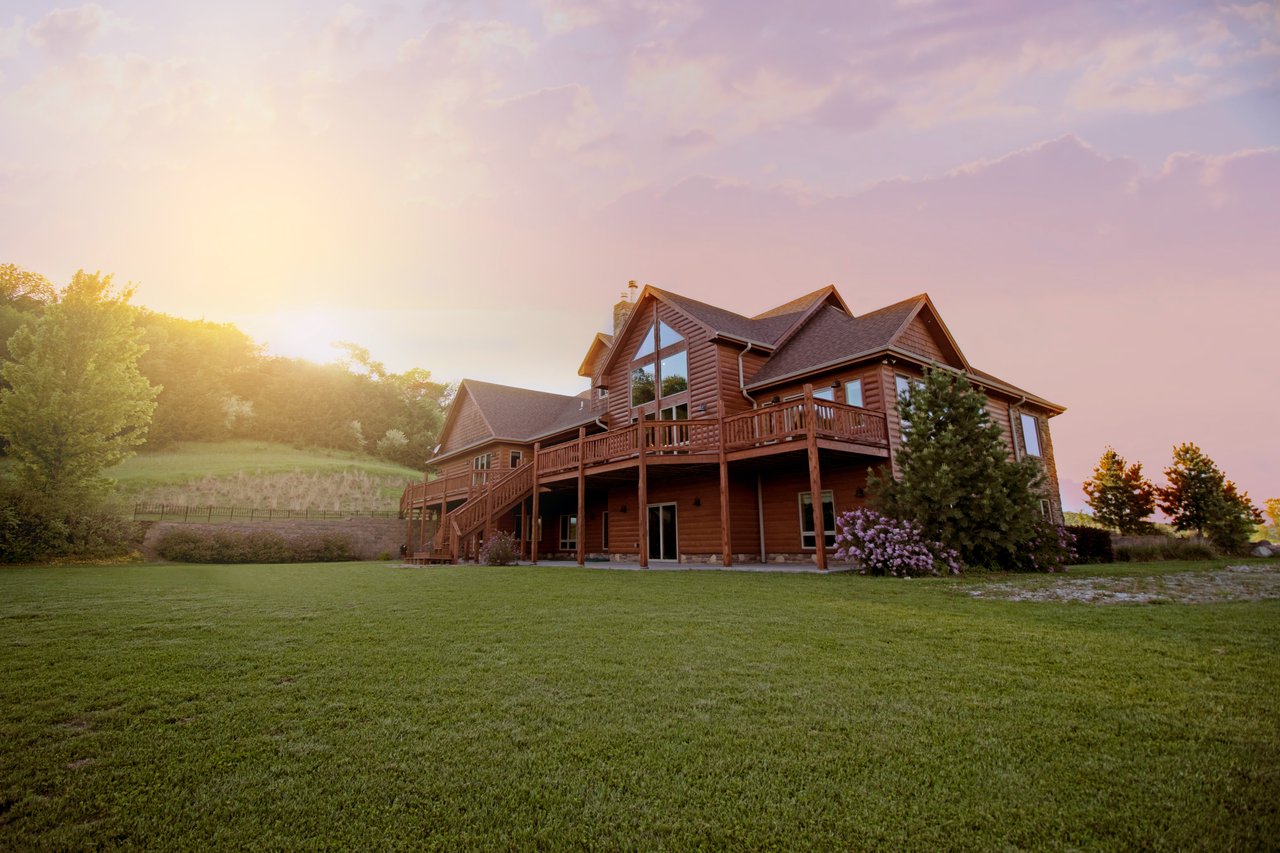
For you as a buyer, this often translates into a lifestyle with fewer immediate neighbors and a stronger sense of privacy. It also means county living here often exists alongside ranching, conservation land, and active wildlife habitat. The open feel is not accidental. It is part of how the county has chosen to protect its landscape.
Rivers and habitat are not just scenic
In Blaine County, rivers, floodplains, and riparian areas are part of the lived environment. County materials highlight the Big Wood, Little Wood, Salmon, Silver Creek, and Rock Creek watersheds. The county also notes that riparian zones support the highest density and abundance of plants and animals of any habitat type in the area.
That matters because water-adjacent living can feel incredibly special, but it also comes with a set of governing rules. The county regulates activities within riparian setbacks, including things like mowing, dredging, filling, construction, septic installation, and motorized scraping. If you are drawn to creekside or river-adjacent property, it is important to understand that beautiful land is not always unrestricted land. One of the priorities here is protecting riparian and wildlife habitat.
Winter changes how you plan
In many places, winter is just a season. In Blaine County, it is a lifestyle variable. County preparedness guidance says winter storms and extreme cold can be expected, and residents are encouraged to have emergency supplies, stay off roads during and after storms when possible, and plan for possible power or heating disruptions. County land is not part of the city municipalities that dot the valley.
That does not mean winter here is negative. It simply means you need to think ahead. If you are considering county property, winter readiness should be part of your buying checklist from the start, not something you figure out after closing.
Road maintenance is extensive, but not unlimited
The county Road and Bridge Department maintains 54 bridges, more than 400 culverts, 124 miles of paved roads, and 326 miles of gravel roads. It also snowplows 293 miles of roadway and handles work such as avalanche and mudslide removal, grading, dust guarding, and road repair.
That level of maintenance is significant, especially in a large rural county. Still, public service has a limit. County guidance makes clear that crews do not clear private driveways or private roads, which means your personal access plan matters just as much as the public road network.
Private access matters more than you think
This is one of the biggest practical differences between in-town living and county living. A home may be beautiful in every season, but winter access can feel very different depending on the driveway, exposure, elevation, and whether a road is public or private.
If you are buying in the county, it helps to think through questions like these:
Is the home accessed by a county-maintained road or a private road?
Who handles driveway snow removal?
How long is the driveway?
Could storm conditions affect access more than expected?
Is the property set up for cold-weather reliability?
These details are part of what makes day-to-day ownership either smooth or stressful.
Outdoor access is a real lifestyle perk
One of the strongest appeals of Blaine County living is how close you are to trails, rivers, and year-round recreation. The Wood River Trail is a paved, year-round, non-motorized path of more than 20 miles connecting Bellevue, Hailey, Ketchum, and Sun Valley. Blaine County Recreation District also maintains fishing access points along the trail and elsewhere in the valley.
For many buyers, this kind of access is not just a bonus. It is part of the reason to be here. Being able to step into a lifestyle centered on movement, scenery, and the outdoors is one of the defining features of living in this area. There are areas that are more readily available to hiking/biking trails than others. Some areas come with a stream, creek or river out the door.
Recreation here still comes with boundaries
Public-land access in and around Blaine County is abundant, but it is not unconditional. County-posted guidance has noted winter restrictions in parts of the Wood River Valley to protect wintering deer and elk. The county also manages 12 snowmobile trails in the Wood River Valley, and some routes carry avalanche risk.
There are also seasonal rules tied to wildlife protection. The county notes that motorized use is restricted in certain areas from January 1 through April 30 to protect elk and deer. So while outdoor access is a major amenity, it works best when you understand that some areas are managed seasonally.
Dark skies are part of the experience
One of the more memorable parts of county living here shows up after sunset. The Central Idaho Dark Sky Reserve was certified in 2017 and covers 906,000 acres, including portions of Blaine County and communities such as Ketchum and Sun Valley. County budget materials say staff were instrumental in the reserve’s designation and continue to support dark-sky outreach.
For you, that means night in Blaine County can feel remarkably clear and quiet. Less ambient light, bigger skies, and a stronger sense of the natural environment are part of the lifestyle. It is one of those qualities that is hard to quantify, but easy to remember once you have experienced it.
Convenience is the main tradeoff
The beauty of county living often comes with a practical tradeoff. Blaine County’s low density, large road network, public-land share, winter conditions, and land-use protections all point toward a lifestyle that is quieter and more private, but also more car-centered and more shaped by seasonal conditions.
If you love walkability, close services, and a shorter list of property variables, county living may feel less convenient than an in-town option. If you value privacy, scenery, darker skies, and direct access to the outdoors, that tradeoff may feel well worth it. A lot depends on how you want your daily routine to feel.
Cost is part of the equation
Blaine County is not a low-cost rural market. The Census reports a median owner-occupied home value of $735,300 in 2020 through 2024, compared with $418,600 for Idaho overall. The county’s median household income was $92,566 versus $77,800 statewide. These are statistical norms and does not reflect a totally accurate picture.
That pricing context matters because county living here is not simply about getting more land for less money. In many cases, you are paying for privacy, scenery, and a setting that offers a different pace of life. For buyers entering the Blaine County market, it helps to approach the search with a clear sense of which lifestyle features matter most.
Who county living fits best
County living in Blaine County tends to appeal most to buyers who want space, quiet, and a stronger connection to the outdoors. It can be a great fit if you value privacy, mountain views, trail access, and a home base that feels removed from busier in-town patterns.
It may be especially attractive if you are looking for a second home with a true sense of retreat, or if you are moving up locally and want more room and a different pace. The key is making sure the property matches your habits in every season, not just your wish list on a sunny day.
What to think through before you buy
A smart county home search in Blaine County usually goes beyond bedrooms, acreage, and views. You also want to understand how a property functions in real life.
Here are a few helpful questions to keep in mind:
How does the property feel in winter, not just summer?
What kind of road access does it have?
Are there riparian setbacks or land-use restrictions to understand?
How close do you want to be to daily services and town amenities?
Are you looking for full-time ease, a seasonal retreat, or long-term flexibility?
The more clearly you answer those questions, the easier it becomes to separate a pretty property from the right property.
If county living in Blaine County sounds like the kind of space and rhythm you want, the next step is finding the version of it that fits your goals. Whether you are searching for privacy, a refined second home, or a property that balances access with open space, Corey on the Go can help you navigate the local details with a thoughtful, high-touch approach.
FAQs
What does county living in Blaine County feel like day to day?
County living in Blaine County usually feels open, quiet, and landscape-driven, with more space, fewer nearby neighbors, and a routine shaped more by roads, weather, and outdoor access than by a town-center pattern.
How rural is Blaine County compared with other places?
Blaine County is very low density, with an estimated 25,517 residents in 2025 across 2,637.74 square miles, or about 9.7 people per square mile.
What should buyers know about winter in Blaine County?
Buyers should expect winter storms and extreme cold, plan for possible travel and utility disruptions, and pay close attention to road access, driveway maintenance, and overall winter readiness.
Are roads in Blaine County maintained during winter?
Yes, the county snowplows 293 miles of roadway, but county crews do not clear private driveways or private roads, so private access remains an important part of ownership.
What is special about outdoor living in Blaine County?
Blaine County offers strong access to trails, fishing areas, rivers, and seasonal recreation, including the more than 20-mile Wood River Trail that connects Bellevue, Hailey, Ketchum, and Sun Valley.
Are there rules for creekside or river-adjacent property in Blaine County?
Yes, Blaine County has riparian regulations that limit certain activities within setbacks, so water-adjacent property can come with meaningful land-use restrictions.
Is Blaine County a dark-sky area?
Portions of Blaine County are part of the Central Idaho Dark Sky Reserve, which helps preserve darker night skies and contributes to the county’s distinct evening atmosphere.
Is county living in Blaine County less convenient than living in town?
In many cases, yes. County living often offers more privacy and scenery, but it can also be more car-centered and more dependent on seasonal road and weather conditions.
Is Blaine County an affordable rural market?
Blaine County is generally not considered low cost, with a median owner-occupied home value of $735,300 in 2020 through 2024, above Idaho’s statewide figure of $418,600.
Who is county living in Blaine County best suited for?
It often suits buyers who prioritize privacy, scenery, and recreation access over walkability or immediate urban-style convenience.